

Kitchen Face Masks: What Really Works
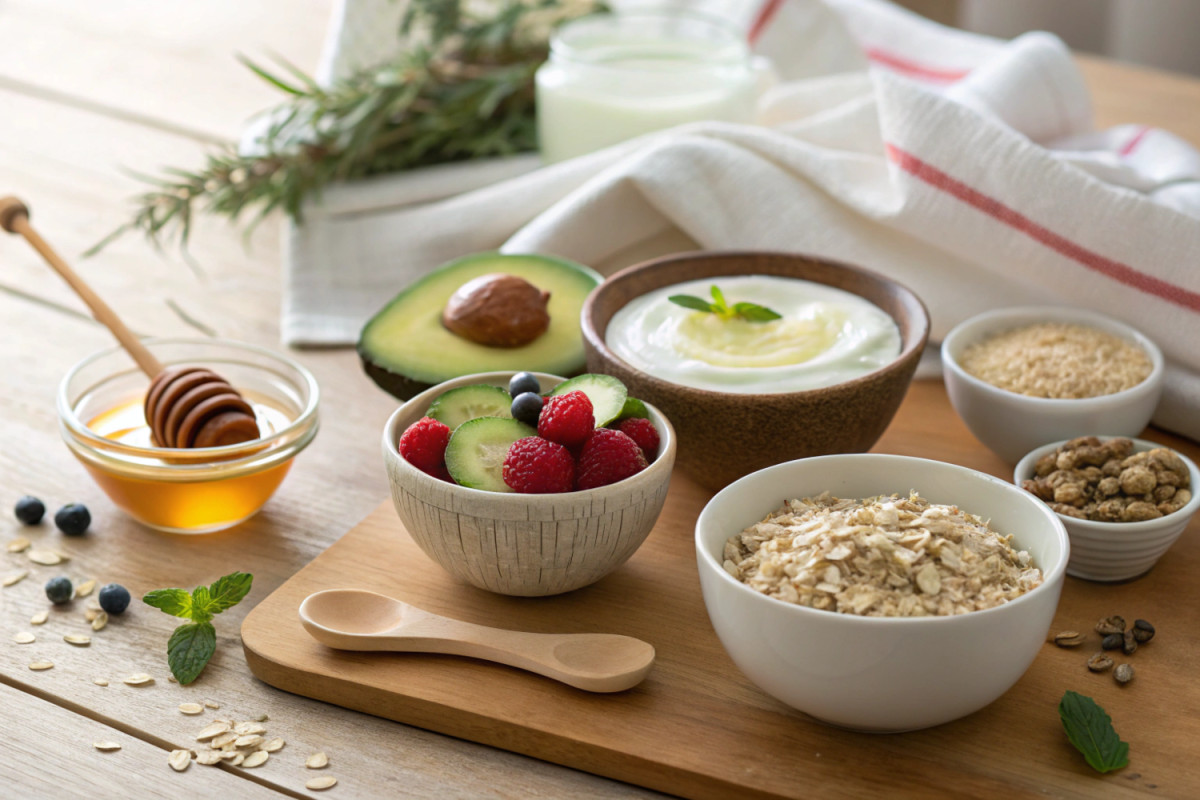
Homemade face masks made from ingredients found in your kitchen are becoming increasingly popular. They attract attention due to their accessibility and naturalness. But what really works? In this article, we will explore several popular ingredients and their effectiveness, so you can choose the right recipes for yourself.
The Benefits of Homemade Masks
Masks made from natural ingredients can offer numerous benefits for the skin. Here are some key reasons to try them:
- Natural Ingredients: Unlike chemical products, homemade masks often do not contain artificial additives.
- Cost-Effective: You can use products that you already have in your kitchen.
- Personalised Approach: You can experiment with ingredients tailored to your skin type.
Popular Ingredients for Masks
There are many products you can use to create homemade masks. Let's take a closer look at a few of them.
Avocado
Avocado is an incredibly nourishing fruit rich in vitamins E and C. It is excellent for dry and dehydrated skin. An avocado mask helps to moisturise and soften the skin.
Recipe: Mash half an avocado and apply it to your face for 15-20 minutes. Then rinse with warm water.
Honey
Honey has antibacterial properties and is perfect for combating acne. It also moisturises and nourishes the skin.
Recipe: Mix one tablespoon of honey with one teaspoon of lemon juice. Apply to your face for 10-15 minutes, then rinse off.
Oatmeal
Oatmeal helps soothe inflamed skin and eliminates flakiness. It is suitable for all skin types.
Recipe: Mix two tablespoons of oatmeal with water to form a paste. Apply to your face for 20 minutes and rinse with warm water.
Tips for Using Homemade Masks
To get the most benefit from homemade masks, follow these simple recommendations:
- Allergy Testing: Before using a new mask, check your skin's reaction on a small area.
- Regularity: Use masks 1-2 times a week for best results.
- Cleanliness: Ensure your face is clean before applying the mask.
Conclusion
Homemade masks made from kitchen ingredients can be an excellent alternative to store-bought products. They are not only economical but also allow you to control what you apply to your skin. Experiment with various ingredients to find those that work best for you. Remember that individual skin characteristics can affect the effectiveness of masks, so it is essential to pay attention to your skin's reaction.