

How to Choose Bedroom Textiles for a Sound Sleep
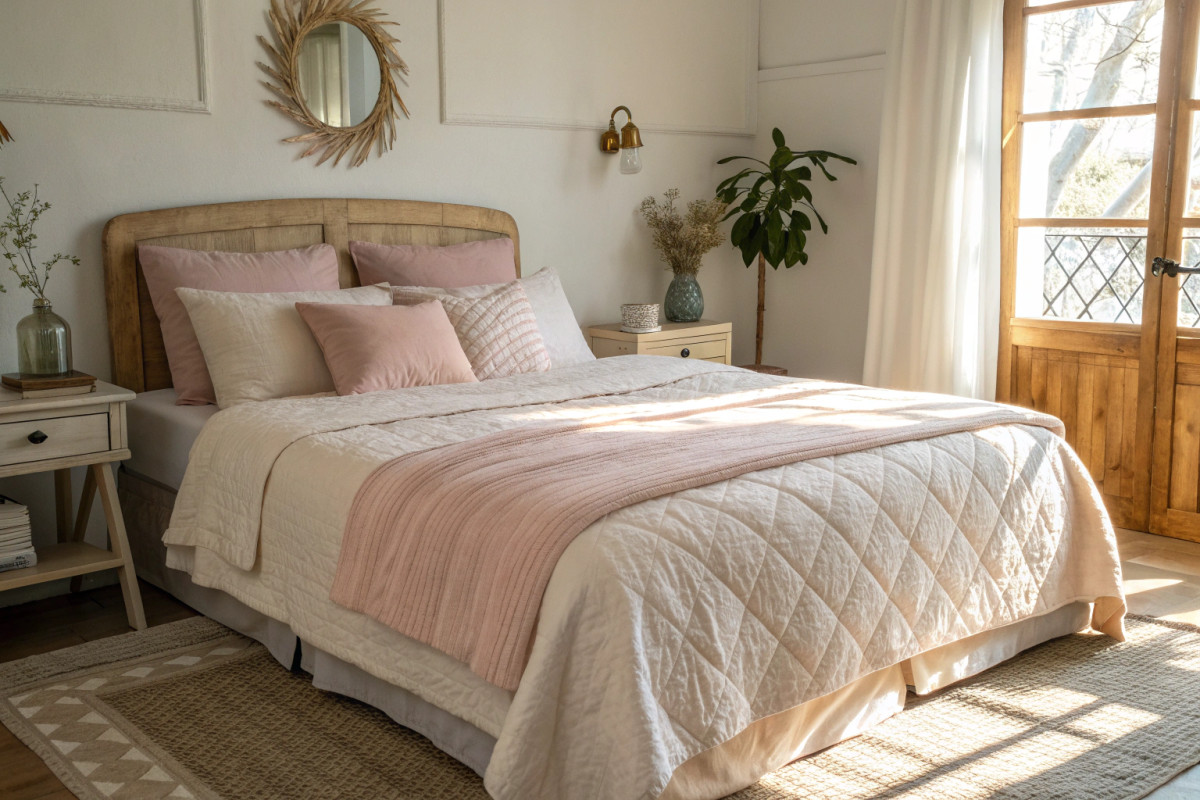
A sound and healthy sleep is the key to good well-being and a productive day. One of the key factors affecting sleep quality is the textiles that surround us during rest. In this article, we will discuss how to correctly choose textiles for the bedroom to ensure comfort and coziness, as well as to make your sleep deeper and calmer.
Textile Materials: What You Need to Know
When selecting textiles for the bedroom, it is important to pay attention to the materials from which the bedding is made. They affect not only comfort but also health.
- Cotton: one of the most popular materials, known for its good breathability and hygroscopic properties. Cotton bedding provides a comfortable microclimate during sleep.
- Linen: a natural, breathable, and very durable material. Linen has thermoregulating properties, making it ideal for sleep at any time of the year.
- Satin: a smooth and glossy material that combines strength and elegance. Satin bedding feels pleasant to the touch and looks stylish.
- Microfiber: a synthetic material known for its high durability and lightness. Microfiber dries quickly and does not wrinkle, making it convenient to use.
Colour Palette and Prints
The colour of the textiles also matters. It influences the atmosphere in the bedroom and can affect our mood and quality of rest.
- Soft pastel shades: create a sense of coziness and calm. Such colours promote relaxation and help to fall asleep faster.
- Dark and rich tones: can create an atmosphere of privacy and intimacy, but it is worth remembering that they can visually reduce the space.
- Prints: choose them carefully. Simple and unobtrusive patterns can add interest, but overly bright and aggressive prints can be distracting and hinder relaxation.
Choosing Pillows and Duvets
Equally important is the choice of pillows and duvets. They should match your preferences and physical parameters.
- Pillows: choose pillows that provide proper support for the neck and head. The optimal height and firmness of the pillow depend on your sleeping position.
- Duvets: pay attention to the filling. Duvets can have synthetic or natural fillings. Lightweight duvets are suitable for warm weather, while denser ones are better for winter.
Care for Textiles
Proper care for textiles will help extend their lifespan and maintain their original appearance. Here are some care tips:
- Follow the washing instructions provided on the labels.
- Use delicate wash cycles to preserve the structure of the material.
- Avoid over-drying textiles to prevent loss of softness.
Conclusion
Choosing textiles for the bedroom is not just a matter of aesthetics but also of caring for the quality of your sleep. Consider the materials, colour palette, as well as the characteristics of pillows and duvets. The right choice will help create a comfortable environment for rest, which in turn will ensure sound and healthy sleep. Remember that a cozy bedroom is the key to your well-being and vitality every day.