Home is not just walls and a roof over our heads. It is a space where we rest, recharge, spend time with loved ones, and create memories. The comfort of a home plays a crucial role: it affects our mood, productivity, and even health. In today’s world, where we often face stress and haste, it is particularly important that our home remains a place of harmony and tranquility. In this article, we have gathered tips and recommendations to help make your living space truly cozy and comfortable.
Why Comfort is So Important
Comfort is not just about a beautiful interior; it is an atmosphere that fills the home with warmth. It is formed by many details: scents, lighting, textiles, sounds, and even the habits of the residents. Here are a few reasons why you should pay attention to creating comfort:
- Emotional Balance: A cozy home helps you relax after a stressful day.
- Healthy Sleep: A harmonious environment contributes to quality rest.
- Creative Inspiration: A beautiful and comfortable space stimulates creativity.
- Family Atmosphere: Comfort brings loved ones together and makes shared time more enjoyable.
Furthermore, comfort fosters a sense of belonging. When a person returns to a space that is thoughtfully arranged and filled with warmth, they feel stability and confidence. This is especially important in conditions of constant change and external pressure. The home becomes a kind of "anchor" that helps maintain inner balance.
Organising Space
Cleanliness and Order
The first step to comfort is order. Even the most beautiful interior loses its appeal if there is chaos at home. A few simple rules can help maintain cleanliness:
- Regularly get rid of unnecessary items.
- Use storage systems: boxes, baskets, organisers.
- The habit of cleaning up immediately saves time and effort.
It is important to remember that order is not just the absence of dust and dirt but also the smart organisation of items. When every item has its place, it becomes easier to breathe in the home. Even a small apartment can feel spacious if it is free from clutter. Minimalism helps in this regard: keep only what truly brings value or joy.
zoning
Even a small space can be made comfortable if organised correctly:
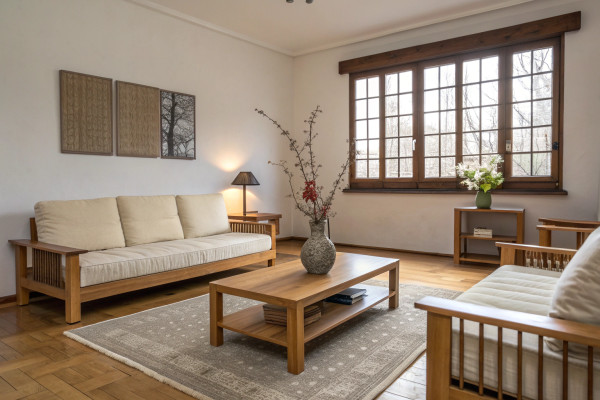
- Divide the room into zones: work zone, relaxation area, dining area.
- Use transforming furniture to save space.
- Choose lighting for each zone separately.
Zoning helps avoid feelings of chaos. For example, it is better to separate the workspace from the relaxation area so that the brain can switch between modes. Even a small rug or divider can visually delineate the space. This is especially relevant for those who work from home: it is important that the workspace does not "consume" personal space.
Decor and Atmosphere
Lighting
Light plays a key role in creating comfort:
- Warm light from lamps creates a relaxing atmosphere.
- Use floor lamps, wall sconces, and fairy lights for soft illumination.
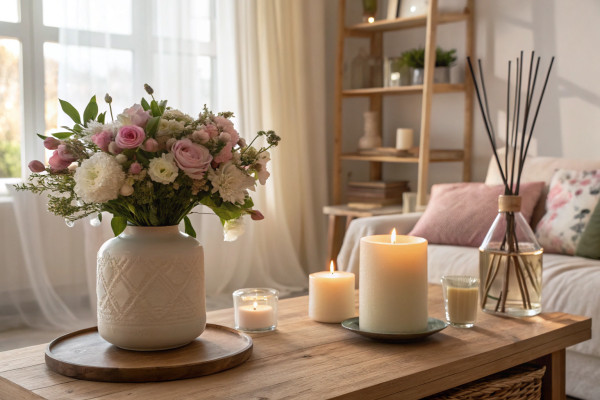
- Candles add romance and warmth.
Lighting can be viewed as a tool for mood management. Bright overhead light is suitable for work and cleaning, while soft, dim light is ideal for evenings and relaxation. A good solution is to use dimmers, which allow you to adjust the intensity of the light. In the bedroom, it is especially important to avoid cold white lighting, as it hinders relaxation.
Textiles
Fabrics make a home softer and warmer:
- Throws and cushions add comfort.
- Curtains help regulate light and set the mood.
- Rugs make the space cozier and protect against cold.
Textiles can completely transform a room. Even if the furniture remains the same, new curtains or a coverlet can set a completely different mood. Natural fabrics like linen or cotton create a feeling of freshness and lightness, while velvet or wool evoke warmth and coziness. Don’t be afraid to mix different textures: it adds depth and individuality to the interior.
Scents
Scents directly influence the perception of a home:
- Aromatic candles and diffusers create an atmosphere of comfort.
- Fresh flowers fill the home with a natural fragrance.
- The smell of baked goods or coffee evokes warmth and hospitality.
Scents can instantly change the mood. Lavender helps you relax, citrus scents invigorate, and vanilla creates a sense of warmth. A good idea is to choose different scents for different zones: for example, a calming scent in the bedroom, a neutral one in the living room, and a fresh one in the kitchen. The key is not to overdo it so that the scents do not become overwhelming.
The Home as a Place of Strength
Personal Space
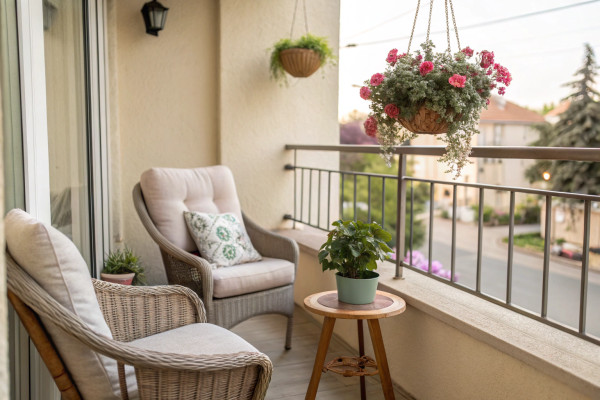
Each family member should have their own place for rest and activities. This could be a chair by the window, a desk, or a corner for hobbies. Personal space helps maintain balance and feel comfortable.
Even in a small apartment, it is possible to designate a corner for oneself. This could be a shelf with favourite books, a drawing table, or a chair with a blanket. Such zones help a person feel that they have a personal space where they can recharge and engage in activities that bring joy.
Green Accents
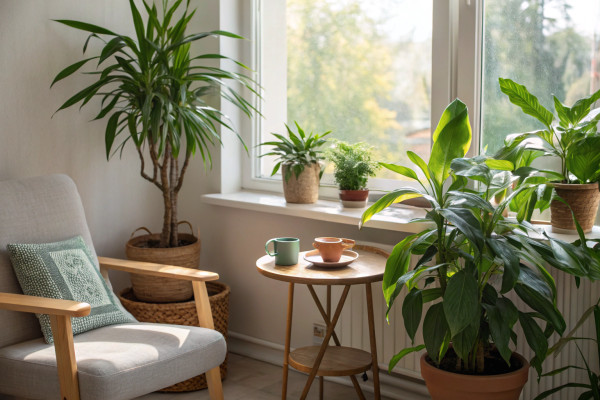
Houseplants not only decorate the interior but also purify the air. They create a sense of a living space and positively affect mood.
Plants can become a central element of decor. For instance, large palms or ficuses create an oasis effect, while small succulents add coziness to the desk. Moreover, taking care of plants is in itself enjoyable and helps one to relax. Fresh flowers in a vase are another way to add freshness and beauty to the home.
Tips for Creating Comfort
- Add items with a story to your décor: photographs, souvenirs, books.
- Use natural materials: wood, linen, cotton.
- Create "islands of comfort" — corners where it is pleasant to spend time.
- Do not be afraid to experiment with colours and textures.
In addition to the tips listed, it is worth remembering the sounds. Soft music or nature sounds can become a part of the atmosphere. It is also important to consider seasonality: in summer, light fabrics and fresh flowers create comfort, while in winter, warm blankets and candles do the trick. Comfort is a dynamic state that can change depending on the time of year and mood.
Conclusion
Home and comfort are not just about interior solutions, but also about the atmosphere we create with our own hands. A cozy home helps us feel safe, recover from difficulties, and find inspiration for new achievements.
It is important to remember that comfort is made up of little things: the smiles of loved ones, the aroma of freshly brewed coffee, the soft light of a lamp, or a favourite blanket. These details create a sense of warmth and harmony.
By creating comfort, we care not only about the appearance of our living space but also about our internal state. After all, the home is a reflection of ourselves, our habits, tastes, and values.
There is no need to strive for the perfect picture from a magazine. The main thing is that you feel comfortable and joyful in your home. Comfort is individuality, not a template.
Our Recommendation
We recommend regularly reading the section on home and comfort tips to learn more about practical techniques, design solutions, and little tricks that can help make your home even more comfortable. Bookmark our site, keep an eye on new publications, and subscribe to updates — this way, you will always find fresh ideas for creating coziness and harmony in your home.