

How to Boil Eggs for Easy Peeling
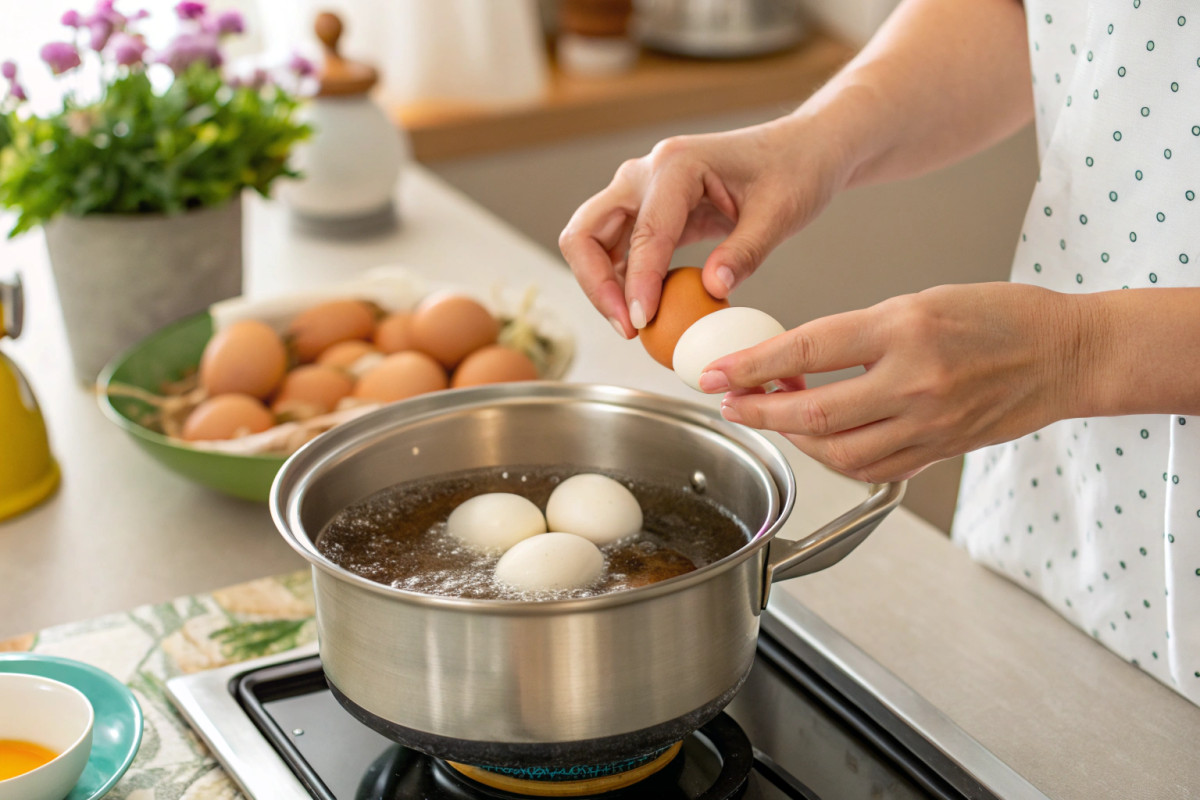
Boiling eggs may seem like a simple process, but many people face the challenge of peeling them after cooking. This situation can frustrate even the most experienced cooks. In this article, we will explore several effective methods for boiling eggs that will help you achieve the desired result – easy peeling. Read on to discover the secrets that will make your egg-cooking process more successful.
Choosing Eggs
First and foremost, it’s important to understand that the freshness of eggs directly affects their peelability after boiling. Fresh eggs can be more difficult to peel, as their membranes adhere more strongly to the shell. Therefore, if you want to boil eggs that peel easily, choose eggs that were purchased at least a week ago. In this case, you can expect easier shell removal.
Boiling Techniques
There are several tried-and-true boiling techniques that can help you achieve the desired result. Let’s look at the most effective ones:
- Cold Water Method: Place the eggs in a pot and cover them completely with cold water. Bring the water to a boil, then reduce the heat and simmer the eggs for 9-12 minutes depending on your desired doneness.
- Shock Freezing: After boiling the eggs, immediately place them in an ice bath. This helps create a vacuum between the egg and the shell, making peeling easier.
- Steaming: Use a steamer to cook the eggs. Place the eggs in a steaming basket and cook them for 12-15 minutes. Steaming also helps separate the shell from the egg.
Cooling the Eggs
Once the eggs are boiled, they need to be cooled down. This is a key step in the peeling process. Rapid cooling creates additional contrast between the egg and the shell, allowing them to separate more easily. Place the boiled eggs in ice water for at least 5-10 minutes. This will not only cool the eggs but also help prevent a grey ring around the yolk.
Egg Peeling Methods
Now that your eggs are boiled and cooled, it’s time to peel them. Here are a few hacks that can make this process more efficient:
- Tapping: Gently tap the egg against a hard surface to crack the shell, then carefully roll it on the table. This will create small cracks that make peeling easier.
- Water Soaking: Try peeling the eggs under a stream of cold water. The water can help separate the shell from the egg and significantly ease the process.
- Spoon Technique: Insert a spoon between the shell and the egg, and gently slide it along. This will create space and help remove the shell.
Conclusion
Now you know how to boil eggs that peel easily. By using the right boiling, cooling, and peeling methods, you can enjoy perfectly cooked eggs without the hassle. Remember to consider the choice of eggs, as freshness matters. By following our tips, you can significantly simplify the egg preparation and peeling process, making your culinary experiments more enjoyable and successful.